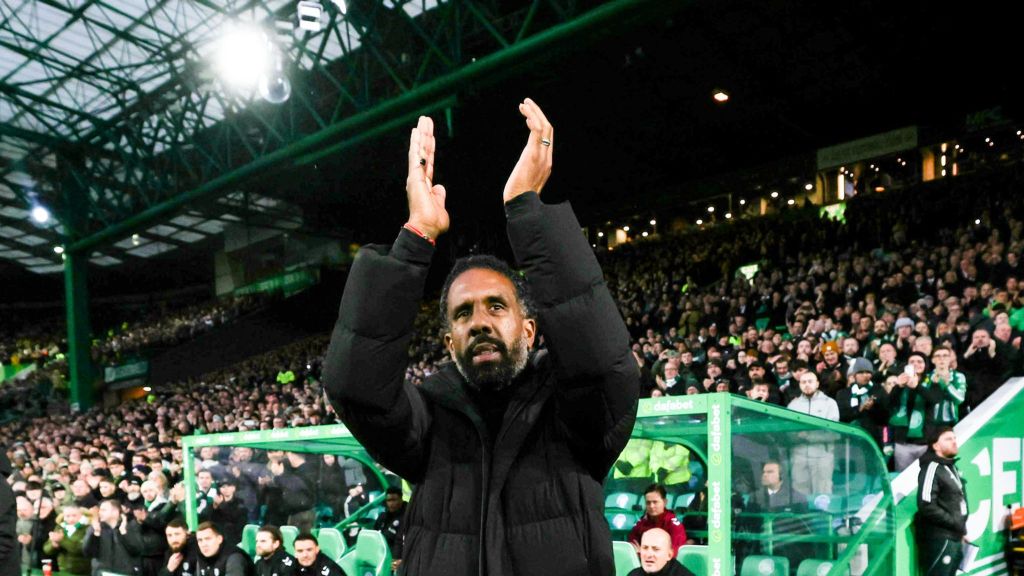
Celtic hired Wilfried Nancy for ideas, identity and implementation, not for his footwear or whether he uses a tactics board. In the days since his first game (a 2–1 defeat to Hearts on December 7, 2025), parts of the media and a slice of fan discourse have fixated on green trainers and a magnetic board, missing the larger truth: Nancy arrived mid‑season, had only a few sessions with the squad, and was tasked with beginning a structural reset at pace. That reset deserves to be judged on football, not optics.
A quick recap: what actually happened
Celtic announced Nancy on a two‑and‑a‑half‑year deal on December 3–4, lauding his track record with Columbus Crew (MLS Cup 2023; Leagues Cup 2024; MLS Coach of the Year 2024) and earlier silverware with CF Montréal. He didn’t come alone: Kwame Ampadu, Jules Gueguen and Maxime Chalier joined his staff, underlining a deliberate process to transplant a proven methodology, not a one‑man show.
Four days later, Nancy’s debut came in a top‑of‑the‑table clash at Celtic Park. Match reporting from Transfermarkt described a bright Celtic start with missed chances, Hearts scoring “against the run of play” before adding a set‑piece second, classic “first‑week teething” rather than systemic failure. After the game, Nancy’s emphasis was on performance and relations, the quality of final‑third connections and “more pass than cross,” consistent with his philosophy of patterning play over panic.
The backlash, and why it misses the mark
Some coverage fixated on how Nancy looked on the touchline (green trainers), and on his use of a magnetic tactics board, implying this was somehow unserious or optically “off” for Celtic. That line of argument attracted prompt ridicule from respected voices: Chris Sutton called attacking Nancy for trainers and a board “one of the dumbest and most backward takes” he’d seen; journalist Graham Spiers branded it “borderline moronic.” The whole “optics” discourse is a strawman: elite benches across Europe use boards, tablets and visual cues, all the more defensible when a coach has had only days to begin installing principles.
Equally, reducing a result to footwear trivializes what decided this match: chance quality and set pieces. Hearts’ goals aligned with those realities, not with Nancy’s trainers. The proper post‑mortem lives in finishing, box occupation and defending restarts, not wardrobe commentary.
What Celtic hired: a methodical builder of coherent, attacking football
Nancy’s résumé is about repeatable patterns and player development inside a possession framework. His Columbus sides were praised for high‑IQ, all‑action football, building dominant attacking metrics with a clear identity, while fostering international caps and upward moves for multiple players (e.g., Cucho Hernández to LaLiga, Aidan Morris to the EFL Championship). This isn’t a coach who lives off vibes; it’s a coach who translates principles into patterns, then patterns into points and trophies.
At Celtic, the fit is logical. The club regularly faces low blocks, demanding wingers and forwards who excel at progressive carries, cutbacks, third‑man runs, and tight‑space combination play, precisely the behaviors Nancy nurtured in MLS. His post‑Hearts focus on “more pass than cross” speaks directly to raising chance quality in crowded boxes, a hallmark of teams who dominate territory but need sharper final‑third relations.
The board’s role: a deliberate appointment, not a scramble
For supporters worried about timing and process, Celtic’s CEO Michael Nicholson explicitly explained why negotiations took time, Columbus sought to keep Nancy, and ensuring his staff moved with him mattered. That clarity signals a strategic conviction about the fit, not a panicked decision made on optics or availability. Meanwhile, Columbus issued a gracious farewell, owners and executives acknowledging his impact and ethos, again pointing to a coach anchored in substance, not superficialities.
Football, not footwear: how to evaluate the next 5–10 games
Judge patterns, not props. Over the next block of fixtures (including Roma and a domestic cup final), track these football realities:
- Chance quality over volume
Watch for cutbacks, third‑man runs, and zone‑14 combinations replacing aimless crossing; this was Nancy’s post‑game emphasis and his MLS hallmark. - Press/counterpress cohesion
Look for tighter rest‑defence and quicker recoveries after possession loss, areas that need reps to embed and that often decide transitions in tight games. - Set‑pieces (for and against)
Hearts’ second was a set piece; shoring that phase while improving attacking restarts is low‑hanging fruit for points gain in the short run.
With even two good training weeks, these indicators should begin to move. That’s the fair bar for a coach asked to recalibrate how Celtic create and control games.
Why the “tactics board” moment is a positive, not a problem
The widely shared clip of Nancy calling Callum McGregor over and using a magnetic board was explicitly about on‑the‑spot corrections… spacing, relations, information that can be conveyed fast during play. In a world where elite benches use tablets and boards routinely, pretending the tool is “odd” is performative. Celtic fan media noted Nancy was trying to accelerate understanding because he’d barely coached the group, exactly what you want from a process‑driven manager.
The criticism here misreads modern coaching. Visual cues are standard practice, and in‑game adjustments are part of building repeatable patterns quickly. With minimal prep time, communicating clearly beats gesturing vaguely. If anything, the board moment shows a coach intent on installing structure, not winging it.
A message to the support: patience with purpose
Celtic is a club of high standards and short tolerance for drift. That’s right and proper. But there’s a difference between demanding excellence and confusing excellence with aesthetics. Nancy’s arrival was deliberate and considered; he has a documented track record of building coherent attacking football and improving players, and it’s entirely consistent that his first communication focuses on relations, pass quality and box occupation.
Give him a 5–10 match runway. Judge the patterns, chance creation routes, pressing cohesion, set‑piece phases, and the results that flow from those. Demand clarity, courage and craft. But keep the focus on football. Judge the work, not the wardrobe. Judge the patterns, not the props. That’s how Paradise holds its standards without becoming a prisoner of optics.


Leave a Reply