There is a familiar feeling around Celtic Park as another season edges toward its conclusion, a sense of transition, a sense of crossroads, a sense that the club is once again preparing to define its future through the appointment of a new manager. Martin O’Neill’s interim spell has brought calm and clarity, yet it has also underlined the temporary nature of the solution. Celtic have stabilised, but they have not solved the deeper questions that have lingered since Brendan Rodgers departed and since the club’s football identity began to drift. The next appointment is not simply about choosing a coach, it is about choosing a direction.
Celtic stand at a point where supporters demand ambition, where the board seeks stability, and where the squad requires a modern, coherent football structure. The next manager will inherit a team that has talent but lacks cohesion, a club that has resources but lacks alignment, and a fanbase that has passion but lacks trust. The decision made this summer will shape the next cycle of recruitment, the next cycle of European campaigns, and the next cycle of supporter belief.
This is not a moment for sentiment or short term thinking. It is a moment for clarity. It is a moment for Celtic to decide what they want to be.
Below is a detailed look at the leading candidates, the politics behind the decision, and the tactical and cultural fit that will determine who should lead Celtic into the next era
Robbie Keane, the favourite with charisma and political weight
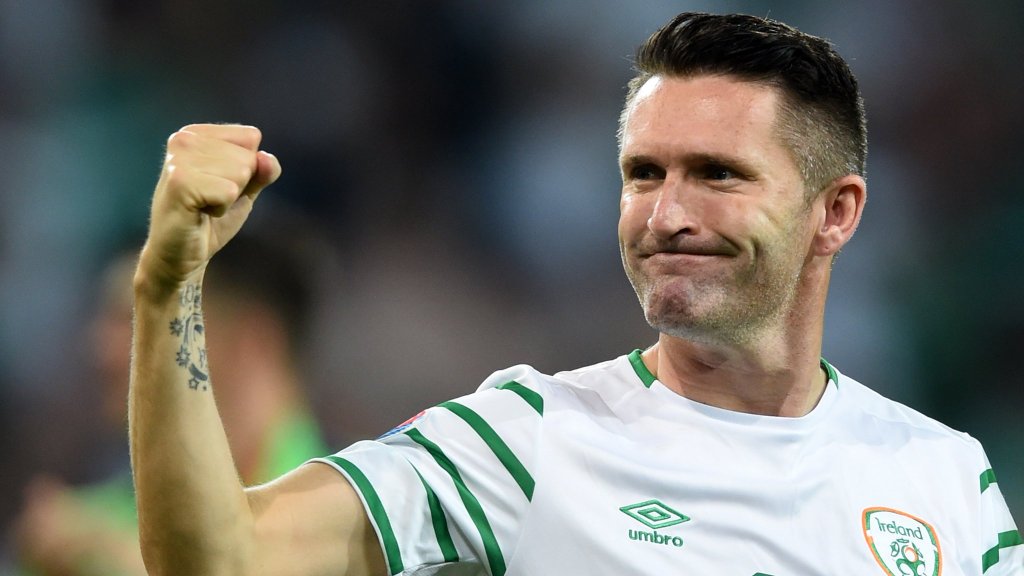
Robbie Keane has emerged as the bookmakers’ favourite, and it is not difficult to understand why. He carries a unique blend of charisma, stature, and emotional connection to the club. His loan spell at Celtic left a lasting impression, and his managerial record at Ferencvaros has been stronger than many expected. Forty four wins in seventy three games is a serious return, and it demonstrates that Keane is more than a sentimental choice.
There is also a political dimension to his candidacy. Celtic’s board understands the value of a unifying figure, someone who can soften supporter frustration and rebuild trust. Keane fits that profile. He is a big name, he is a personality, and he is someone who would instantly command respect in the dressing room.
Yet the question remains, is he the right footballing choice. Keane has not yet managed a club with the scale, scrutiny, and expectation of Celtic. Ferencvaros is a strong club in Hungary, but the pressure is not comparable. Celtic require a manager who can handle the weight of every dropped point, every European setback, every tactical misstep. Keane may grow into that role, but it is a risk.
Keane represents unity, energy, and charisma. Whether he represents long term stability is another question.
Jens Berthel Askou, the football department’s preferred candidate
If Keane is the political favourite, Jens Berthel Askou is the football department’s choice. His work at Motherwell has been widely admired, and his rise has been rapid. Askou has taken a modest squad and turned it into a structured, disciplined, and overperforming unit. Motherwell sit fourth, close to Celtic, and they have done so with clarity and consistency.
Askou is a coach who values organisation, who builds systems rather than relying on individuals, and who has shown an ability to improve players. These are qualities Celtic desperately need. The club has lacked structural coherence since the early Rodgers era, and Askou offers a blueprint for rebuilding that foundation.
However, the step from Motherwell to Celtic is enormous. It is not simply a matter of tactics, it is a matter of scale. Celtic require a manager who can handle European football, who can manage elite players, and who can operate under relentless scrutiny. Askou may be ready, but it is a gamble.
He is the logical choice from a footballing perspective, yet he is not the glamorous one. He is the safe, structured, data driven option, and that may appeal to the board more than it appeals to the supporters.
Askou represents structure, clarity, and long term planning. Whether he represents ambition is open to debate.
Craig Bellamy, the emotional and tactical fit with deep Celtic roots
Craig Bellamy is a name that carries emotional weight at Celtic Park. His loan spell left a mark, and his coaching journey since then has been impressive. Joe Ledley has described him as the perfect fit for Celtic, and there is a strong argument to support that view.
Bellamy has worked under Vincent Kompany at Anderlecht and Burnley, and he has developed a modern, high intensity, possession based style that aligns with Celtic’s identity. He is tactically sharp, he is demanding, and he is someone who would bring energy and clarity to the squad.
His recent heartbreak with Wales, missing out on the World Cup, has created uncertainty about his future. Celtic have tracked him since Rodgers left, and the timing may now be right.
The concerns are not about his footballing ability but about his temperament and his emotional volatility. Bellamy is intense, and that intensity can be both a strength and a weakness. Celtic require stability as much as they require passion.
There is also the question of whether he would leave Wales before Euro 2028. The national team role carries emotional significance for him, and Celtic would need to be certain of his commitment.
Bellamy represents identity, intensity, and modern football. He may also represent risk.
Kjetil Knutsen, the supporters’ dream and the European blueprint
If Celtic supporters could choose the next manager, many would choose Kjetil Knutsen. His work at Bodo Glimt has been extraordinary. He has won multiple league titles, he has taken the club deep into Europe, and he has built a tactical identity that is admired across the continent.
Knutsen is a coach who transforms clubs. He builds systems, he develops players, and he creates a style of football that is both modern and effective. Celtic have long sought a European identity, and Knutsen offers exactly that.
The challenge is whether he would leave Bodo Glimt, and whether Celtic’s board would accept the level of structural change he would demand. Knutsen is not a coach who fits into existing systems, he is a coach who reshapes them. Celtic’s board has historically been cautious about ceding control, and that may be the barrier.
Knutsen represents ambition, European credibility, and long term identity. He is the boldest choice, and perhaps the most transformative.
Steve Clarke, the pragmatic and experienced option
Steve Clarke is the most experienced candidate on the list, and he is someone Celtic have considered before. His work with Scotland has been exceptional, and his Premiership record is strong. He offers stability, defensive structure, and a calm presence.
Clarke may be ready to leave Scotland after the World Cup, and Celtic could offer him a final major club challenge. He would bring organisation, he would bring discipline, and he would bring a level of experience that few others can match.
The concern is his style. Clarke is pragmatic, and Celtic supporters expect a more expansive approach. The club’s identity is built on attacking football, and Clarke’s methods may not align with that expectation.
Clarke represents stability, experience, and defensive solidity. Whether he represents Celtic’s identity is uncertain.
Other names on the periphery
There are several other candidates who sit on the edges of the conversation. Roberto Martinez has been mentioned, though his commitments elsewhere make him unlikely. Marco Rose has Bundesliga pedigree and has spoken positively about Celtic in the past. Jindrich Trpisovsky and Christian Ilzer have been highlighted by analysts for their tactical profiles. Scott Brown is a romantic option, but not a realistic one at this stage.
These names add depth to the discussion, but they are not currently central to it.
The politics behind the appointment
Celtic’s managerial decisions are never purely footballing. There is always a political dimension, and this summer is no different.
The board wants stability, control, and alignment with the recruitment model. They want a manager who will work within the existing structure, who will not demand sweeping changes, and who will not challenge the hierarchy. Askou and Clarke fit that profile.
The supporters want ambition, identity, and European credibility. They want a manager who will bring excitement, who will restore the club’s footballing identity, and who will push Celtic forward on the European stage. Knutsen and Bellamy fit that profile.
The squad needs clarity, intensity, and modern coaching. They need a manager who can improve players, who can build a system, and who can create a clear tactical identity. Knutsen, Bellamy, and Askou fit that profile.
Keane sits in the middle, offering unity and charisma, but raising questions about long term footballing direction.
The politics of the decision will shape the outcome as much as the footballing logic.
Tactical and cultural fit, who actually suits Celtic
To understand who should lead Celtic, it is necessary to break the candidates down by key criteria.
European readiness
Knutsen and Bellamy stand out. Their styles are modern, their systems are clear, and their teams have performed well in European contexts.
Domestic dominance
Clarke and Askou offer structure and consistency. They would build a solid foundation and ensure Celtic remain strong in the league.
Player development
Knutsen and Askou excel in this area. They improve players, they build systems that elevate individuals, and they create long term value.
Fan alignment
Keane and Bellamy would energise the support. They carry emotional weight and would bring excitement.
Board alignment
Askou and Clarke are the safest choices. They would work within the existing structure and would not demand radical change.
Long term identity
Knutsen is the clearest blueprint. His style, his methods, and his track record align with what Celtic aspire to be.
Celtic must decide which of these criteria matter most. They cannot have everything. They must choose a direction.
Conclusion: the decision that defines the next cycle
Celtic have reached another crossroads, and the decision they make this summer will define the next era of the club. They cannot afford another short term fix, another compromise, another appointment that satisfies one group while disappointing another. They must choose a manager who aligns with their long term vision, who can build a modern football identity, and who can restore the club’s European credibility.
The choice is not simply between names, it is between philosophies.
Ambition through Knutsen, identity through Bellamy, unity through Keane, stability through Clarke, structure through Askou.
Celtic have been here before, but this time the stakes feel different. The next manager will not just inherit a team, he will inherit a crossroads.


Leave a Reply